Reporting: The EU has rejected ISSB alignment in it's latest ESRS changes. ISSB had pushed the Commission to adopt its standards or to allow companies to comply with its rules without needing additional reporting. However, the Commission held the line on double materiality, meaning companies must report on both environmental and financial impact. ESRS will now undergo a 4 week consultation period, and must be signed off by 30 June in accordance with EU legislation.
Policy: The EU's Circular Economy Act has moved into the implementation phase, shaping conditions for waste to become a tradeable resource. The main barrier is fragmentation, there is not yet a single market for waste, meaning end-of-waste criteria, quality standards, and documentation requirements vary across Member States. This is driving up compliance, permitting and transportation costs. A single market for resources will be key to enact to reduce logistical complexity to transition to a circular economy, which the Circular Economy Act hopes to enact across sectors from 2028.
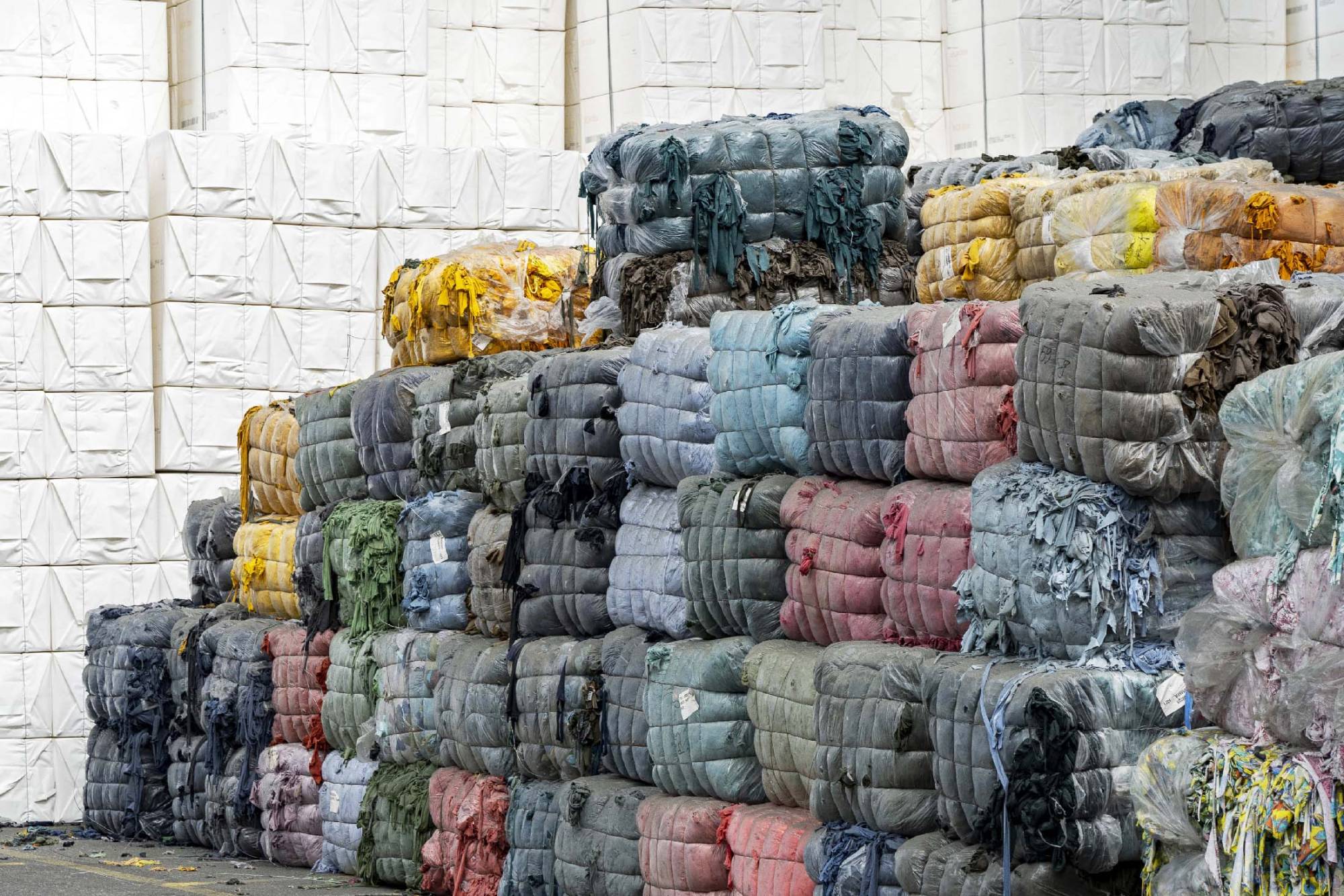
Industry: Target, the US retail giant, has deepened it's partnership with Swedish textile recycling Syre. Under the new agreement, the partnership is expected to enable the use of 70,000 metric tons of polyester made from end-of-life textiles, supporting the scaling of closed-loop recycled material into categories like apparel and home, with meaningful product integration expected by 2030.
Action This 💡
Circularity is the physical practice of reusing and recycling secondary materials, and keeping materials in use for longer.
Circular economy is building the system to enable circularity to become the norm.
For businesses, that means securing board-level commitment, rethinking how value is created and captured, and redesigning relationships across the value chain.
Are Cigarette Butts too Small to Fix?
With co-founders, Céline Duval and Julia Karsten of Filter the Future Coalition (FtF)
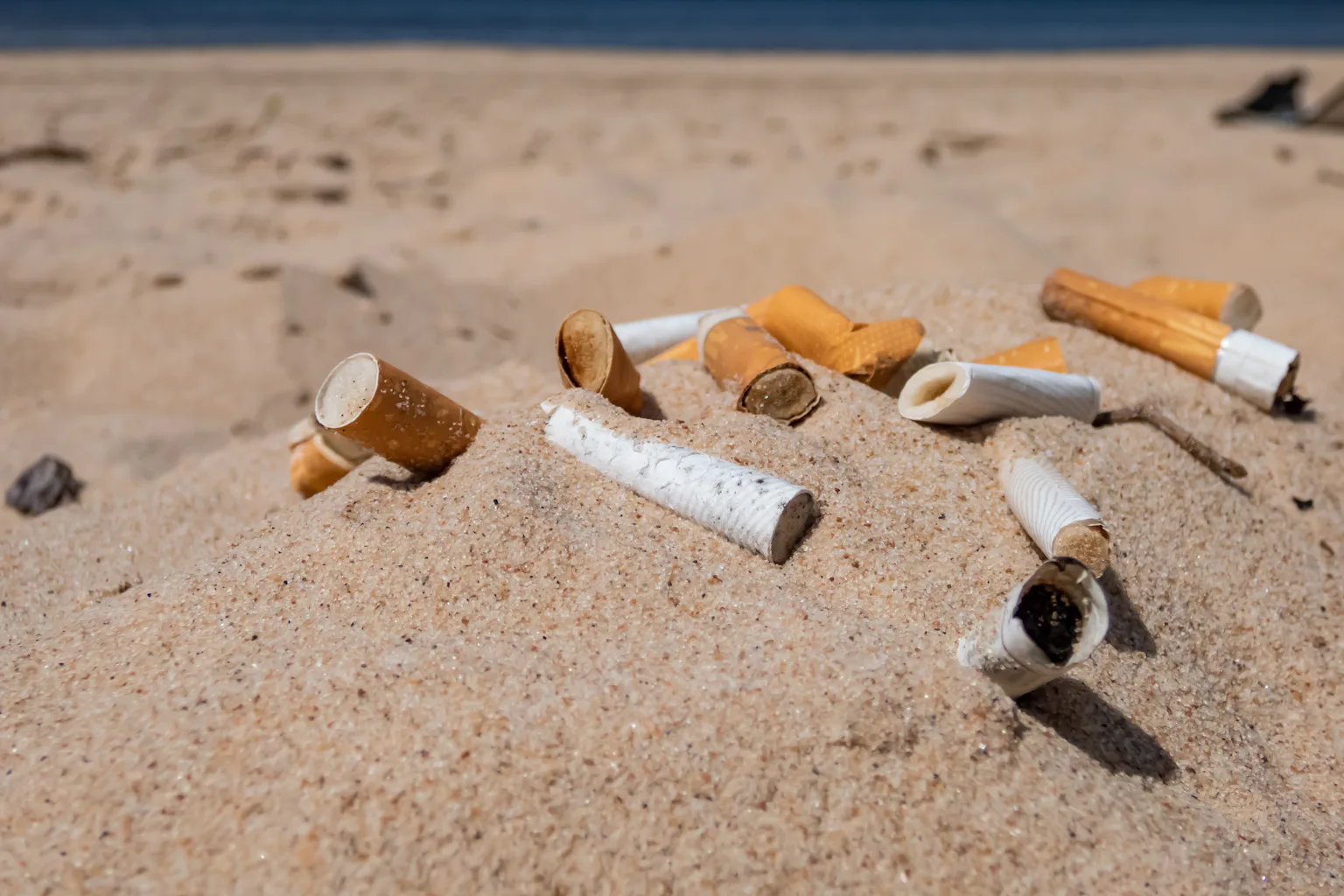
Cigarette filters are the most littered plastic item in Europe. What are the environmental impacts of cigarette filter pollution?
Cigarette filters are often perceived as harmless, almost like paper waste but scientifically, that’s far from reality. Filters are primarily made of cellulose acetate, which is a form of plastic, and they can persist in the environment for years, even decades.
The damage is twofold:
- Physical Pollution: Cigarette butts are the most abundant global litter. They accumulate in urban areas and waterways, eventually fragmenting into microplastics that infiltrate the food chain.
- Chemical Pollution: Filters leach a toxic cocktail of nicotine, heavy metals (lead, cadmium), and hydrocarbons. A single filter can contaminate up to 1,000 litres of fresh water, proving lethal to aquatic organisms even at low concentrations.
So, we’re not just talking about litter or plastic pollution, we’re talking about a toxic, persistent pollutant that directly affects ecosystems and biodiversity. Any other item with this level of toxic substances, would be classified as hazardous waste and managed through dedicated collection and treatment systems.
How do biodegradable filters or plastic-free filters impact the environment?
At first glance, biodegradable or plastic-free filters sound like a good solution and the industry often presents them that way. However, the scientific literature suggests caution. Even if the plastic is removed, the filter still traps toxic substances from tobacco smoke which leach into the environment. Furthermore, "biodegradable" materials often require industrial composting and do not break down in oceans or on streets. This can also create a rebound effect, where consumers feel less guilty about littering, potentially worsening the crisis.
Overall, while plastic free alternatives may reduce long term plastic accumulation, they don’t address the core issue which is that filters themselves are environmentally harmful.
Could you briefly remind us of the history behind the creation of cigarette filters, and their impacts on health today?
Filters were not created for health. In the late 19th century, they were simply used to keep tobacco out of the mouth. The turning point came in the 1950s, when links between smoking and lung cancer emerged, the industry marketed filters as a "technological solution" to reassure consumers on the safety of cigarettes.
However, there is no proof that filters reduce the health risks of smoking. Actually it brings increased risks.
- Increased Health Risk: Filters make smoke feel smoother, leading smokers to inhale more deeply. This has been linked to an increase in adenocarcinoma, a cancer found deeper in the lungs which is harder to detect and treat.
- Plastic Inhalation: Filters can release microplastic fibres directly into the smoker's lungs.
Looking at the full environmental and health picture, experts argue that filters should not be improved or replaced but simply phased out.
What is the European Tobacco Directive, what changes is FTF advocating for and why?
The European Tobacco Products Directive (TPD) is the main EU legislation regulating tobacco products. It covers issues like packaging, ingredients, advertising restrictions and consumer information. It is currently under revision for the first time since 2014, which is a key opportunity.
FtF is advocating for three key shifts:
- Ecotoxicity Warnings: Adding environmental impact labels to packaging to ensure consumers are fully aware of environmental and health impacts.
- Phasing Out Filters: Banning filters entirely, as they offer no health benefits and cause massive ecological harm.
- Environmental Producer Responsibility/'Extended Producer Liability': Ensuring the tobacco industry pays the full cost of clean-up and environmental remediation.
It is crucial these demands do not become tools for greenwashing. We don’t aim to blame smokers, because the real responsibility clearly lies with the tobacco industry. These companies deliberately produce highly addictive products for purely commercial purposes, with little regard for health impacts. And in doing so, they continue to target populations in ways that raise serious ethical concerns, including younger and more vulnerable groups.
Many people see cigarette butt littering as a behavioural issue. How can we incentivise behaviour change and how would this work in tandem with other proposed solutions?
While infrastructure, such as access to ashtrays, public campaigns and financial penalties matter, framing this as a purely individual issue is a tactic used by the industry to shift blame.
Tobacco companies produce highly addictive products for profit while ignoring systemic pollution. Change must be upstream: by regulating the product itself and holding the industry accountable, we move beyond asking individuals to manage a global pollution crisis.
Some countries are beginning to regulate cigarette filters as single use plastics. What lessons can be drawn from early adopters, and how can they inform EU wide or global action?
Early regulatory efforts are important because they show change is possible. One key takeaway is that recognising cigarette filters as single use plastics helps shift the narrative. It places them within a broader policy framework, used for items like plastic straws or cutlery. In addition, countries that have implemented the Extended Producer Responsibility, show that it is feasible to make tobacco companies contribute financially to waste management.
For EU wide action, harmonisation is crucial. Without it, we risk fragmentation, loopholes, and regulatory avoidance, instead of a coordinated approach. States must act together to regulate the powerful tobacco industry dominated by a few major players. This also means standing up to the plastics industry and, ultimately, the fossil fuel industry. While the challenge is great, but not impossible.
How has the tobacco industry responded to calls for stronger regulation on filters, and what challenges does that create for policymakers?
The industry resists through intense lobbying and by promoting "technological fixes" like e-cigarettes or biodegradable filters to stall legislation. We estimate that the tobacco industry spends on lobbying at EU level around 14 to 20 million euros per year, probably more, because that doesn't include indirect influence.
They often use small retailers as political shields, claiming regulation destroys small businesses. Of course, tabacconists should not be left worse off in the transition, However, we argue that maintaining an industry that causes such structural damage is socially and ethically indefensible.
Filter the Future works across science, advocacy, and policy. What partnerships or collaborations have been most important in building momentum for change?
We are glad to be part of a coalition that brings together such a wide range of actors from different perspectives, such as public health and tobacco control experts, environmental organisations, water and ocean protection groups, and youth movements.
It is quite rare to see such a cross-cutting, co-led advocacy effort, and we think that’s actually one of our strengths. It will be also important that environmental organisations engage more actively on this issue and on the upcoming revision of the TPD.
So far, we are mainly focusing on cigarette filters, because they are the most visible and tangible part of the problem, but the environmental footprint of the tobacco industry goes far beyond that. Studies estimate that approx. 5% of global deforestation is attributable to the tobacco industry, due to the clearing of land for tobacco cultivation, the use of wood to dry tobacco leaves, and broader impacts along the supply chain. The supply chain also produced significant GHGs, intensive pesticide usage, and even documented issues of thousands of children working in tobacco fields.
The overall picture is very clear: the impacts of the tobacco industry are much larger than most people realise - it is a hidden giant.
Influencing policy takes time. Looking ahead, what other regulation would you like to see eventually which would make an impact to reduce pollution from cigarette butts?
Whenever we talk about ocean protection or water quality, the tobacco industry should be mentioned alongside issues like PFAS or single-use plastics. To achieve this, environmental organisations need to be more engaged. We cannot protect water quality, soils, oceans, or forests without also confronting the tobacco industry.
Regulation is extremely complex and slow, involving long legal battles. So we decided to advocate for something more systemic - adding environmental warnings on packaging. It is a more global, realistic approach, while still fitting into a longer-term objective. At the same time, we need to continue protecting young people from this industry, expand smoke-free spaces, and strengthen tools that help people quit addiction and follow the EU’s stated goal to achieve a tobacco-free generation by 2040. Last but not least, we need to shift the narrative: the responsibility does not lie with smokers, but with the industry itself.
Céline Duval is a co-founder of Filter the Future Coalition. She is experienced in coordinating professional and volunteer teams, in face-to-face fundraising for various NGOs, and in marine ecosystem restoration. She is currently pursuing further studies in the Sociology of Environmental Policies and Social Practices.
Julia Karsten s a co-founder of Filter the Future Coalition. She is a detail-oriented political scientist and art historian interested in designing interdisciplinary solutions to implement meaningful action on European level.
Smart Picks 🧠
Filter the Future evidence - Learn more about evidence on smoking and the environment through Filter the Future's select references.
What did you think of this edition of Circular Digest? If you have any thoughts, questions, or ideas for future content, reply to this email. 😊
See you next month!
Kayleigh
How can I help you? 💪
Here are a few ways, whenever you are ready:
💡Book a 30 min circularity advisory clinic: Don't know where to start on your circularity journey? Have a specific circularity challenge you need help solving? Let's chat and explore how I can support your goals. Spots are limited so secure yours now!
🎤 Get inspired: I've spoken at UN events, industry conferences such as edie and Plastics Recycling Show, and online webinars attended by 200+ attendees from every sector and region. Reply to this email to chat about how I can inspire your audience.
📩 Any other collaboration: Whether it's partnerships, projects or something else, just reply to this email, and let's chat!
Kayleigh Lee-Simion
Connect with me 👇